The Ruhr Museum in Essen carries its working-class leanings and its blighted past on some very gigantic industrial shoulders
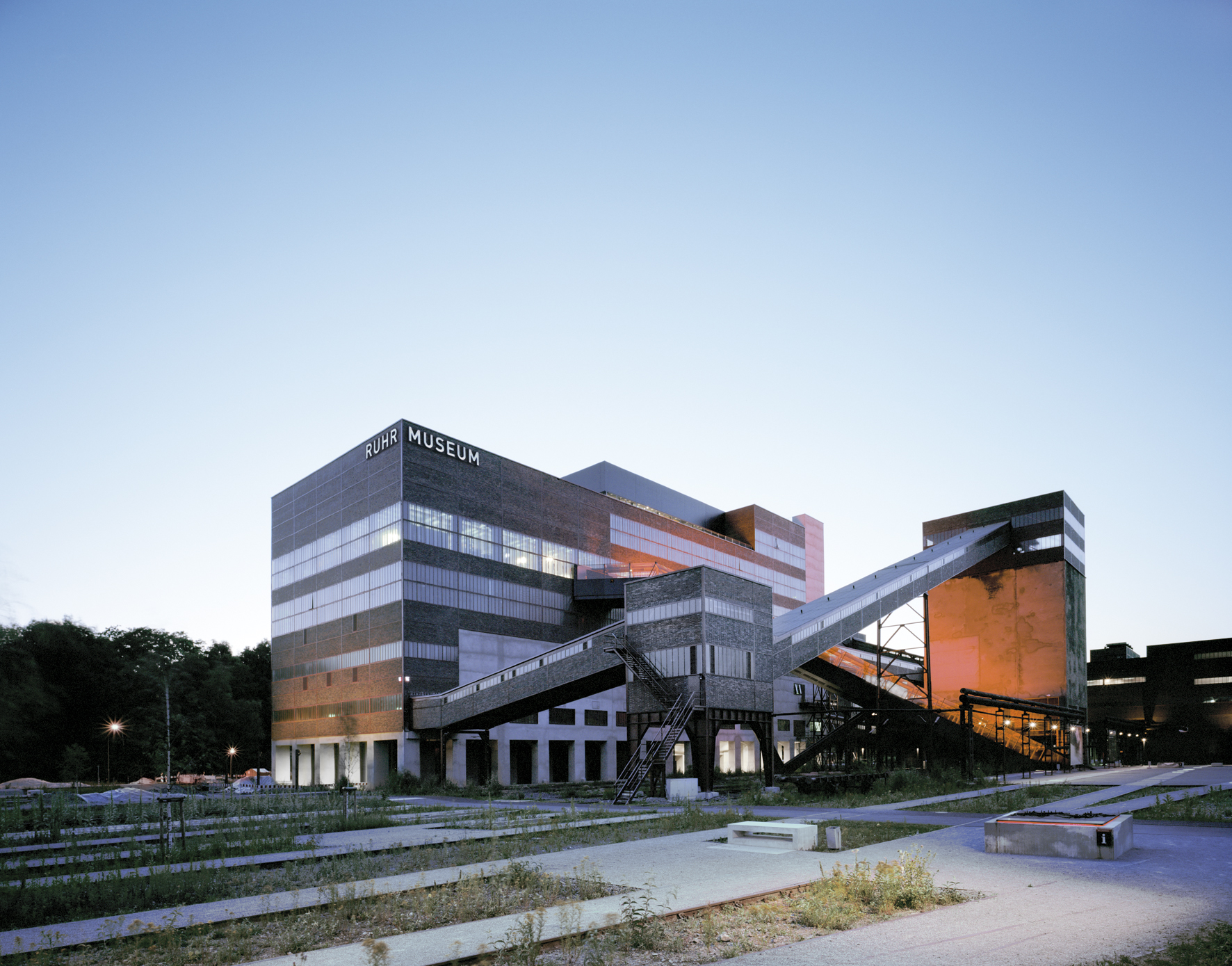
The last coal was mined here in 1986 and a visit to the terrace provides evidence of just how pivotal coal was to the region’s economic prowess: surrounding the industrial complex on which the Ruhr Museum in Essen stands are over 100 man-made hills, carved out from over 150 years of relentless mining. Essen is nowhere close to as breathtaking as its swankier cousins such as Cologne or Bonn, both less than two hours away by road. Yet, political and cultural will have transformed this industrial wasteland into a UNESCO World Heritage site. If there is a Godzilla of museums, the Ruhr Museum in Essen is it.
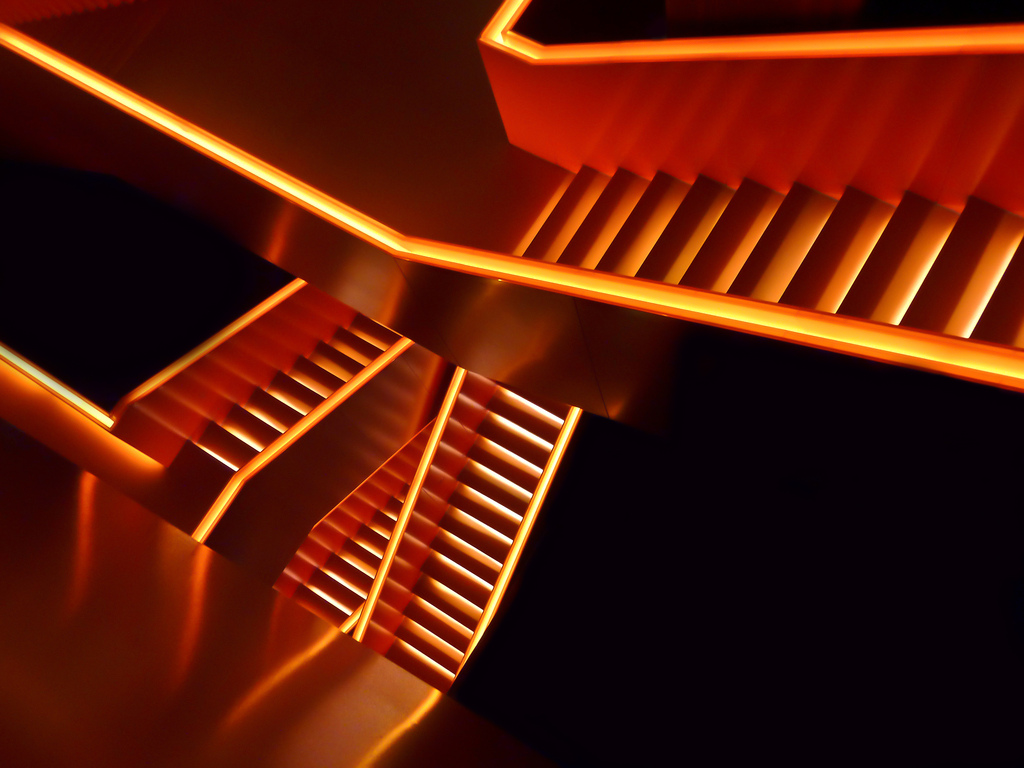
As the wild, wild west of Germany, the Ruhr region’s fortunes have wavered based on two factors: the World Wars that blighted Germany and the decrease in demand for German coal in the post-war era. Despite this, the Ruhr Museum carries its working-class leanings on its sleeve; aside from a robust curatorial program, a permanent exhibit at the museum is a celebration of coal itself. Visitors can dig into how coal was extracted from the ground beneath their feet and how it was processed by the impoverished migrant population of the Ruhr region. The rust on the facades here is not the architectural whimsy you chance upon at ‘industrial’ nightclubs or mills that have morphed into malls. The grunge rings true. In fact, a thrillingly precarious funicular that was once used to transport coal is now used to lug museum visitors.
To commemorate 100 years of the start of World War I, Germany’s devastating debut into the heart of its own darkness, the museum has put together a show titled 1914 – In the Middle of Europe. A walk through the show is like a sneak peek into the world Austrian filmmaker Michael Haneke conjured so beautifully in his masterpiece The White Ribbon. For instance, in an innocuous corner, whipping belts and other devices “used to punish wayward children” are on display. Via this and hundreds of other paraphernalia, we are shown how a troubled feudal society, buoyed by the optimism of technological advances from the late 19th century and the early 20th century, and perhaps blinded by it, decided collectively to jump off a cliff into a nightmare of unimaginable horror.
The show itself is split using the architecture of the gigantic coking plant in which it is housed: the themes German Empire, War and Weimar Republic find their pride of place on different floors. On the first level, we see the Runabout, an electric car from 1903; examples of fin de siècle advertising panache; and dress codes of the working class and the elite: tokens of a culture that are as quaint as they are menacing, because they are all pointers to how fragile the facade is, in the wake of what is about to happen in history. It is time to move down to the bunker, the second level of the exhibition.
Given its industrial capacity, the Ruhr region functioned as the “armoury of the German Empire”. It is a role that has come at a steep price for the people of this region; aside from the thousands of men enlisted for war, women and adolescents were also made to participate on the front. Wax moulages showcasing serious war injuries from the time (the metal helmet was only introduced after many a soldier was injured from bullet wounds above the neck) is further evidence of the unflinching eye with which Germany is looking back at its past.
The ‘funnel level’ is where visitors can bear witness to the consequences of World War I. The term ‘consequences’ connotes an ending; however, the Ruhr-Rhine region faced an extended war of its own. There was a coal miners’ strike in 1919 and given that coal was the currency of this region the effects were catastrophic. In addition, there was a separatist movement in the Rhineland, followed by a Belgian-French occupation in 1923. Yet the exhibition beautifully juxtaposes the poverty and the chaos with other changes in society. For example, the frumpy tightly laced silk dress from the pre-war era had given way to an art deco-inspired Charleston dress embroidered with pearls and sequins – women, it seems, had won more freedoms.
That the Ruhr region, defiled by epochs of strife and industrial misuse, has a long way to go is obvious when you see the surrounding area from the terrace of this museum. This is no verdant vista from a Yash Chopra romance. Undulating between the 150 man-made hills mentioned earlier is an ecologically ravaged entity, the river Emscher, considered to be the dirtiest river in Europe. Yet Peter Reuter, a Ruhr region loyalist and owner of a curatorial outfit aptly monikered Industrial Evolution, proudly informs us, “We’re working towards making the water potable by 2020. And people can have picnics by the banks of our beautiful river.”
The optimism is not misplaced. The contagious spirit with which the residents of Essen and the art management folks at the Ruhr Museum are revisiting their haunted past is indeed paying off: the coal mine has been designated a UNESCO Heritage Site; Essen was chosen as the cultural capital of Europe in 2010; and on December 11, 2013, the Ruhr Museum welcomed its millionth visitor. Life after black, after all, is all about coming back.